Materials & Tools Guide
Everything you need to know about selecting and working with upcycling materials for successful furniture transformations.
Essential Materials
Understanding different materials is crucial for choosing the right approach for your upcycling project.
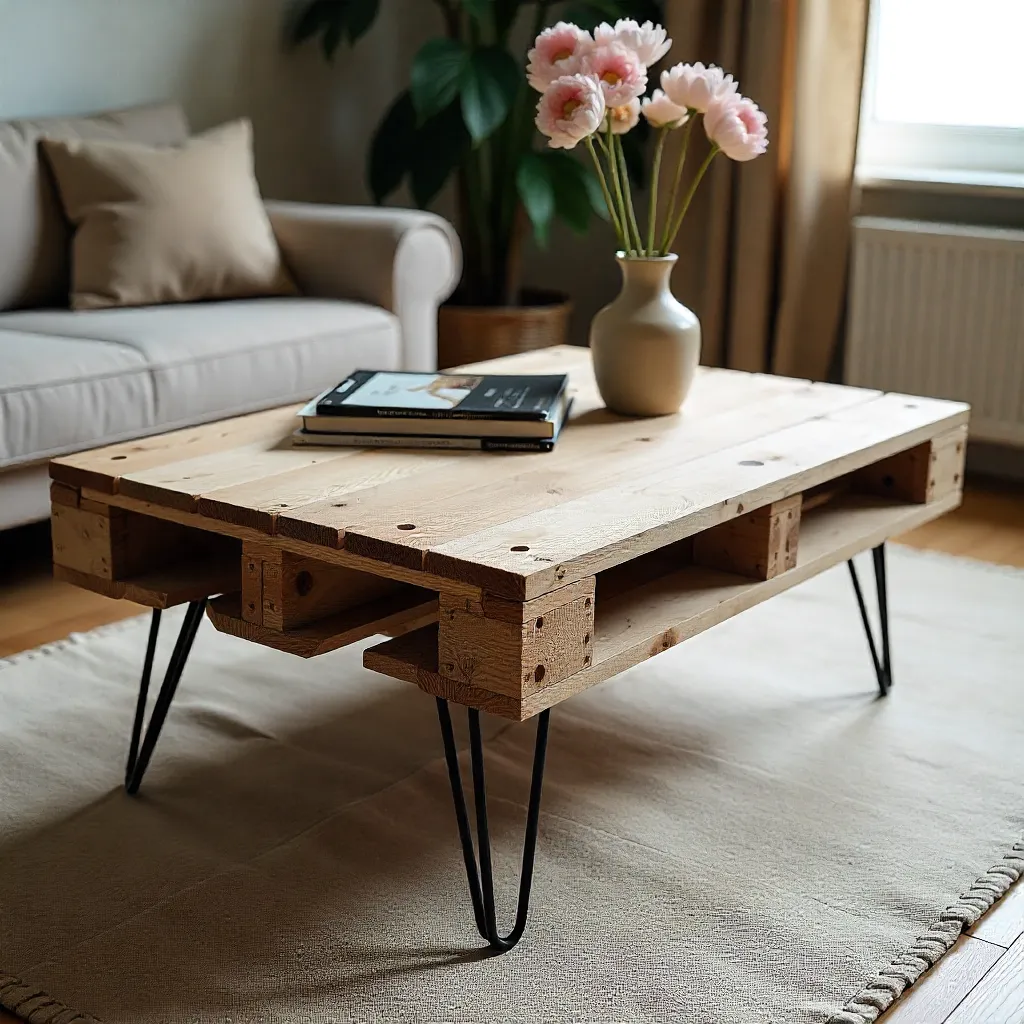
Wood Materials
Reclaimed wood offers character and sustainability. Different types work best for various projects.
Types of Reclaimed Wood:
- Hardwood: Durable and long-lasting, perfect for tables and chairs
- Softwood: Easier to work with, ideal for shelves and decorative pieces
- Pallet Wood: Affordable and versatile, great for beginner projects
- Barn Wood: Adds rustic character with natural weathering
Preparation Tips:
- Always inspect for nails, screws, and hardware
- Sand thoroughly to remove old finishes
- Treat for pests if using salvaged materials
- Allow wood to acclimate to your workspace
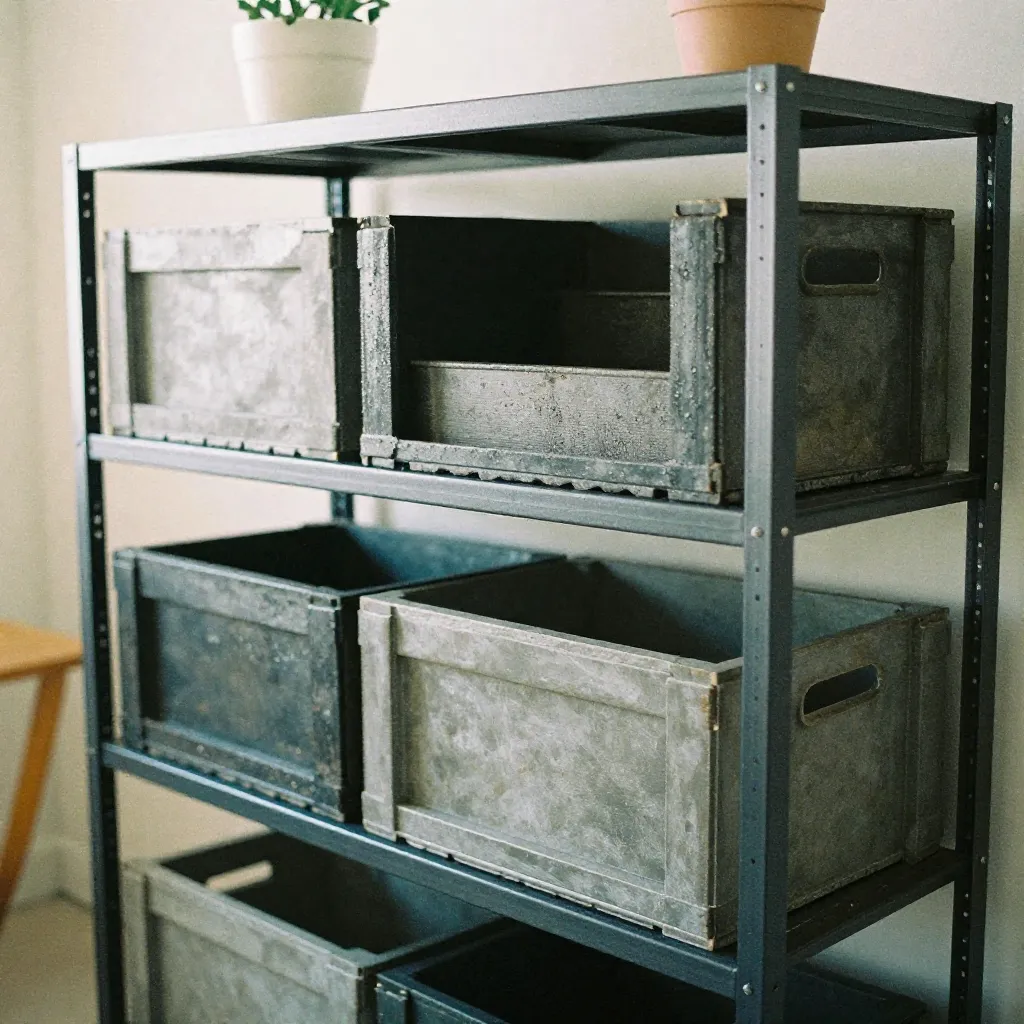
Metal Materials
Metal furniture can be restored and repurposed with the right techniques and finishes.
Common Metal Types:
- Steel: Strong and durable, requires rust prevention
- Iron: Classic look, needs regular maintenance
- Aluminum: Lightweight and rust-resistant
- Brass/Bronze: Decorative finishes that age beautifully
Metal Working Basics:
- Remove rust with wire brushes or sandpaper
- Use primer before painting metal surfaces
- Apply protective coatings to prevent future corrosion
- Work in well-ventilated areas when using metal paints
Fabric & Finishes
Choose sustainable fabrics and eco-friendly finishes for environmentally conscious projects.
Sustainable Fabrics
Eco-friendly fabric options for reupholstering furniture pieces.
- Organic Cotton: Natural and breathable
- Hemp: Durable and sustainable
- Linen: Classic and long-lasting
- Recycled Polyester: Made from plastic bottles
- Wool: Natural and insulating
Eco-Friendly Finishes
Safe paints, stains, and protective finishes for your projects.
Paint Options:
- Low-VOC or zero-VOC paints
- Milk paint for authentic vintage look
- Chalk paint for easy application
- Natural oil-based finishes
Protective Coatings:
- Water-based polyurethane
- Natural wax finishes
- Linseed oil for wood protection
- Eco-friendly sealers
Essential Tools & Supplies
Build your toolkit with these essential items for successful upcycling projects.
Basic Hand Tools
- Hammer and mallet
- Screwdrivers (various sizes)
- Pliers and wire cutters
- Putty knife
- Measuring tape
- Level
Cutting Tools
- Hand saw or circular saw
- Jigsaw for curves
- Utility knife
- Wood chisels
- Metal shears (for fabric)
Finishing Tools
- Electric sander or sanding blocks
- Paint brushes (various sizes)
- Roller and tray
- Staple gun (for upholstery)
- Drop cloths
- Masking tape
Sourcing Materials in the United States
Find quality reclaimed materials and supplies for your upcycling projects.
Where to Find Materials
- Thrift Stores & Flea Markets: Great places to find furniture pieces at affordable prices
- Habitat for Humanity ReStores: Donated building materials and furniture
- Online Marketplaces: Craigslist, Facebook Marketplace, and Nextdoor for local finds
- Estate Sales: Quality vintage pieces often available
- Construction Sites: Sometimes have scrap wood available (always ask permission)
- Local Woodworking Shops: May have scrap wood or reclaimed materials
Longevity Preservation Tips
- Properly prepare surfaces before applying finishes
- Use appropriate protective coatings for material type
- Maintain regular cleaning and care routines
- Address issues promptly to prevent further damage
- Store materials properly to prevent deterioration
- Follow manufacturer recommendations for products